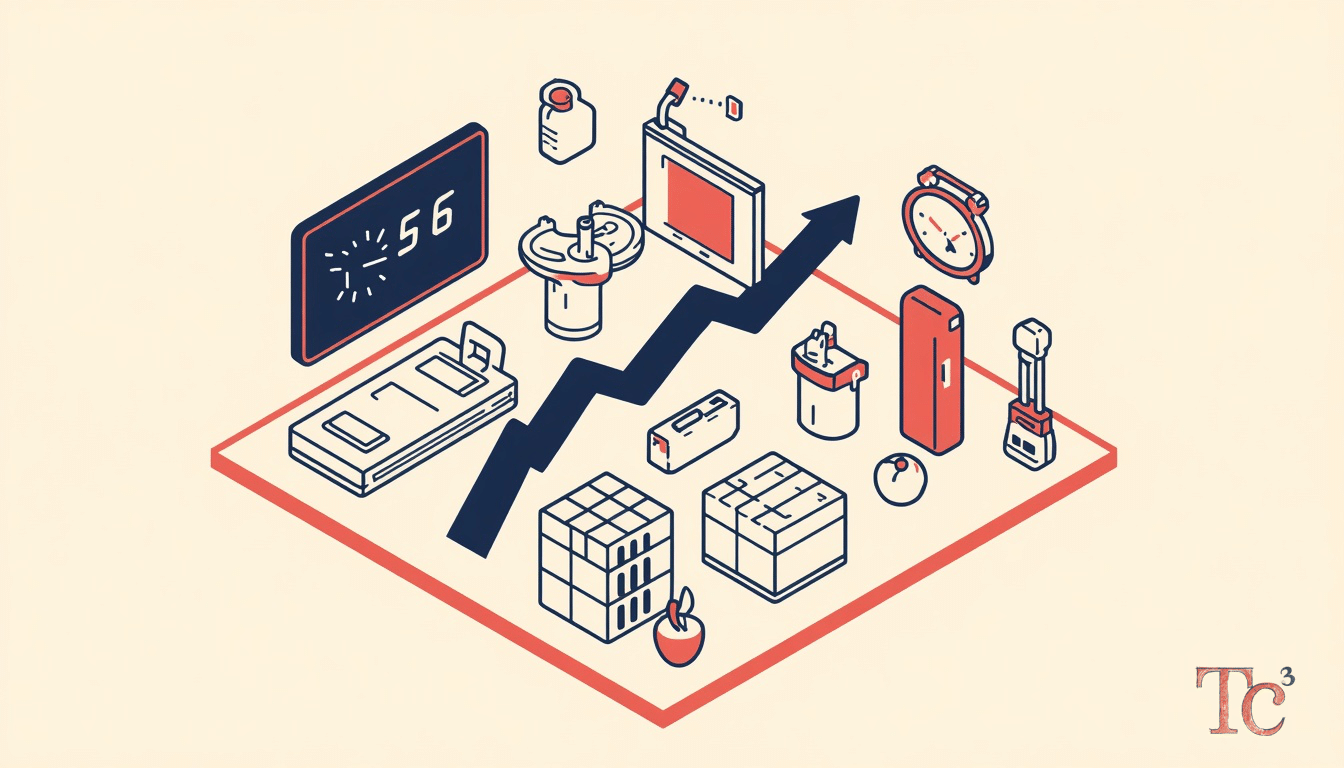
Grocery store refrigerator attacks represent a physical threat delivered through digital means. The FBI and CISA issued warnings after hackers remotely hijacked commercial cooling systems, forcing refrigeration units into heating cycles that spoil food, damage equipment, and in some cases create fire hazards. Picture walking into your facility on a Monday morning to find every cold-storage unit reading temperatures high enough to ruin your inventory. The attackers never touched a door.
The root problem lies in internet-connected industrial refrigeration and monitoring systems. Grocery stores, cold-storage facilities, and food supply chains rely on these controllers to manage temperature remotely. When those controllers sit exposed to the open internet without proper isolation or authentication, they become accessible to anyone who finds them.
What do grocery store refrigerator attacks actually do?
Attackers force commercial cooling units into continuous heating and defrost cycles. Instead of maintaining safe storage temperatures, the compromised systems heat their contents. Internal temperatures in supermarket freezers have spiked overnight, resulting in massive food spoilage, wasted inventory, equipment damage, and fire hazards.
This is not a ransomware scenario where files are locked and a payment demanded. The goal appears to be disruption itself. Spoiled inventory creates immediate financial loss. Damaged equipment means downtime. Fire risk threatens the building. And for businesses that serve the public, the reputational cost of being unable to maintain safe food storage adds another layer of consequence.
Why are refrigeration systems vulnerable?
Operational convenience drove the adoption of internet-connected industrial controllers. Remote monitoring and centralized management make it easier to oversee multiple locations, adjust settings, and respond to alerts without dispatching a technician to every site.
The trade is exposure. Critical industrial controllers left accessible directly from the open internet create an easy entry point. Attackers scan for these systems, identify those with weak or default credentials, and gain control. Once inside, they override temperature settings and force the units to heat instead of cool.
Cold-chain networks extend beyond groceries. They preserve temperature-sensitive medical supplies, pharmaceuticals, and vaccines. A disruption to those systems carries public health consequences that go well beyond spoiled food.
Step 1: Isolate refrigeration controllers from direct internet access
Remove industrial refrigeration and monitoring systems from direct exposure to the internet. Place them behind a firewall. Require VPN access for remote management. If a vendor needs to connect for maintenance or monitoring, grant access through a controlled channel, not an open port visible to anyone scanning the internet.
Conduct an inventory of every internet-connected device in your facility. Include industrial controllers, HVAC systems, security cameras, and any equipment that reports data or accepts commands remotely. Identify which devices have no business being reachable from outside your network and take them offline.
Step 2: Change default credentials immediately
Default usernames and passwords are published in product manuals and cataloged in attacker databases. If your refrigeration controller still uses the credentials it shipped with, assume it is already findable.
Set unique, strong passwords for every industrial control device. Do not reuse credentials across systems. If an attacker compromises one device, you do not want that access to open up everything else in your facility.
Step 3: Monitor for unauthorized temperature changes
Set up alerts for temperature deviations outside normal operating ranges. If a freezer that should hold at negative twenty suddenly reads positive fifty, you need to know within minutes, not the next morning.
Assign someone to review those alerts. Automated monitoring is only useful if a human being sees the warning and acts on it. Designate a person or team responsible for responding to refrigeration anomalies, and make sure they know how to disconnect a compromised controller and switch to manual operation.
Step 4: Segment your network so a breach in one system does not spread
Place industrial controls on a separate network segment from your business systems. If an attacker gains access to a refrigeration controller, you do not want that foothold to provide a path to your financial records, customer database, or email.
Segmentation limits the blast radius. A compromised controller remains a problem, but it becomes a contained problem rather than a gateway to everything else you operate.
Step 5: Require vendor accountability for remote access
If your refrigeration system is managed by a third party, ask how they secure remote access. Do they use VPN? Multifactor authentication? Do they maintain an audit log of who connected and when?
Include security requirements in vendor contracts. Require notification within a defined window if they detect unauthorized access or anomalous activity on systems they manage for you. If the vendor cannot answer those questions or will not commit to those terms, consider whether you want them controlling your critical infrastructure.
What happens if you ignore internet-exposed industrial controls?
An attacker who gains access to your refrigeration system can destroy inventory, damage equipment, and create safety hazards. If the affected units store food for public sale, you face regulatory scrutiny and potential liability. If they preserve medical supplies, the consequences extend to patient care.
The financial cost is immediate. Spoiled inventory is a direct loss. Equipment repair or replacement adds to it. Downtime while you restore safe operation compounds the damage. And if the incident becomes public, the reputational cost follows.
Should small businesses worry about refrigeration cyberattacks?
If your business relies on cold storage and you manage it through internet-connected controllers, the risk is real. Attackers do not limit their scans to large chains. Any exposed system is a potential target.
The good news is that most of the protective measures are straightforward. Isolate controllers from the internet. Change default passwords. Monitor for anomalies. Segment your network. Hold vendors accountable. None of those steps require a large budget or a dedicated security team, but all of them require intention.
Treat refrigeration and other industrial controls the same way you treat your financial systems. They are not too mundane to secure. They are critical infrastructure, and attackers now treat them that way.
Keep reading
Sources
Source: FBI warns hackers are targeting US grocery and food supplies
Researched and drafted with AI, then reviewed and approved by Ron Trotto before publishing.