What is IT help desk phishing and why does it bypass multi-factor authentication?
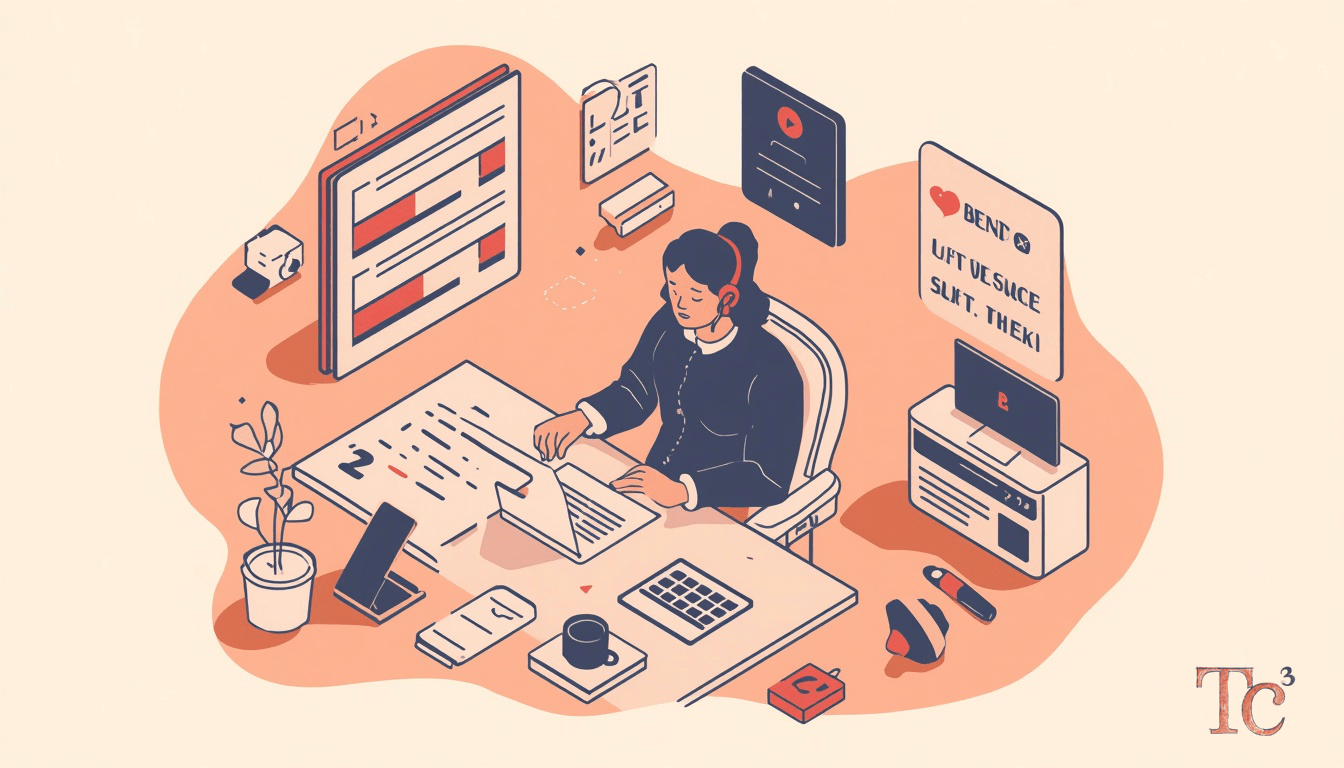
IT help desk phishing is a targeted social engineering attack where cybercriminals call or message your employees while pretending to be your internal IT support team. The caller sounds professional, knows company jargon, and creates urgency around a fake technical problem. While the employee is on the line, the attacker attempts to log in to the real account, triggering a legitimate MFA prompt on the employee’s phone. The fake help desk agent then convinces the employee to approve that prompt or read back a one-time code, and just like that, the attacker is inside your Microsoft 365 environment.
This works because multi-factor authentication protects against stolen passwords, but it cannot protect against a user who willingly approves a login request. The technology does exactly what it was designed to do. The weakness is not in the code but in the trust relationship between employees and the people who sound like they are there to help.
For small and mid-sized businesses, the consequences are immediate. One compromised admin account can expose payroll data, client contracts, banking credentials, and every email thread your team has ever sent. Attackers often maintain access for weeks, quietly forwarding emails, changing payment details for vendors, and hunting for anything valuable enough to ransom or sell.
How do attackers make IT help desk phishing calls sound so convincing?
The preparation behind these calls is what makes them dangerous. Attackers research your company on LinkedIn, your website, and public records. They learn employee names, titles, and internal terminology. They may even know which IT vendor or managed service provider you use and impersonate that external partner instead of your internal team.
The call often starts with a plausible scenario: your password is about to expire, your account showed unusual login activity, or a system upgrade requires verification. The caller uses confident, technical language and creates a sense of time pressure. They might say your email will be locked in ten minutes unless you complete the verification process right now.
While you are on the phone, they attempt to log in to your account from a remote location. Your phone buzzes with an MFA prompt. The fake agent says, “Great, you should see a notification on your phone right now asking you to approve. Go ahead and tap ‘approve’ so we can finish resetting your session.” If you comply, they are in.
Some attackers ask you to read a six-digit code aloud instead. Others walk you through disabling MFA temporarily “for troubleshooting.” Each variation exploits the same human impulse: we want to be helpful, we want to fix the problem quickly, and we assume that someone calling from IT has our best interests at heart.
What are the five warning signs of an IT help desk phishing attack?
Recognizing these attacks in real time is your first line of defense. Here are five red flags that should make you hang up and verify the request independently:
1. Unsolicited calls about account problems. Legitimate IT teams rarely call out of the blue to warn you about vague security issues. If you did not submit a help desk ticket or request support, treat inbound calls with suspicion. Real IT staff will reference a ticket number or a specific issue you reported.
2. Requests to approve MFA prompts during the call. No legitimate IT administrator will ask you to approve a login notification while they are on the phone with you. If someone says, “You should see a prompt on your phone right now,” that is the attacker attempting to log in at that exact moment.
3. Pressure to act immediately or risk account lockout. Time pressure is a classic manipulation tactic. Attackers know that if you hang up and think it over, you will probably verify the request and discover the fraud. Legitimate IT issues can almost always wait ten minutes while you confirm the caller’s identity.
4. Requests for security codes or temporary MFA disabling. No internal IT help desk will ask you to read a one-time passcode over the phone or guide you through turning off multi-factor authentication. Those requests are designed to give the attacker what they need to break in.
5. Caller ID that looks suspicious or generic. Attackers can spoof caller ID to display your company name or IT department, but many do not bother. If the number looks unfamiliar, block it and call your IT team directly using a number you already have saved or printed on an internal directory.
What should employees do if they receive a suspicious IT help desk call?
The safest response is simple: hang up and verify. Tell the caller you will call back through the official IT help desk number or walk over to the IT office in person. A legitimate technician will understand and appreciate your caution. An attacker will try to keep you on the line.
Once you hang up, contact your IT team or managed service provider using a phone number or email address you already know and trust. Do not use contact information provided by the caller. Explain what happened, and let your IT team investigate. If the call was legitimate, they will have a record of it. If it was not, you just prevented a data breach.
If you already approved an MFA prompt or shared a code before realizing the call was suspicious, act immediately. Change your password from a known-good device, notify your IT team, and watch for unusual account activity. Speed matters because attackers move fast once they have access.
For business owners, this is where employee training pays off. A single annual security awareness session is not enough. Your team needs regular reminders, simulated phishing tests, and a clear escalation path when something feels wrong. Make it easy and safe for employees to report suspicious calls without fear of looking foolish.
Do I need additional security measures beyond multi-factor authentication?
Multi-factor authentication is essential, but IT help desk phishing proves it is not bulletproof. Layering additional controls makes these attacks much harder to execute and easier to detect.
Start with conditional access policies in Microsoft 365. These rules can block logins from unexpected countries, unfamiliar devices, or IP addresses outside your approved ranges. Even if an attacker convinces an employee to approve an MFA prompt, conditional access can stop the login because the request is coming from Romania or a datacenter in Asia, not your office in Connecticut.
Phishing-resistant MFA methods also help. Instead of push notifications that can be approved with a single tap, consider hardware security keys or certificate-based authentication. These methods require physical possession of a device or token, making remote social engineering attacks much harder.
Session monitoring and anomaly detection tools can alert your IT team when an account suddenly logs in from a new location, downloads large amounts of data, or accesses files outside normal patterns. These systems act as an early warning that something is wrong, even if the attacker has valid credentials.
Finally, establish a clear verification protocol for sensitive requests. Require employees to confirm any unusual IT requests through a second channel, such as a known internal phone number, an in-person visit, or a message through your company chat system. This simple step stops most social engineering attacks because the attacker cannot control both communication channels at once.
What happens after an IT help desk phishing attack succeeds?
Once inside, attackers work quickly. They often change account recovery settings so you cannot easily lock them out. They set up email forwarding rules to monitor your communications. They hunt for financial data, client lists, and anything that can be sold or used for further attacks.
In professional services firms, attackers look for wire transfer instructions and client trust account details. In manufacturing, they target supply chain contacts, pricing data, and intellectual property. The goal is to stay invisible long enough to maximize the damage or set up a secondary attack like business email compromise.
The cost of remediation goes far beyond the immediate technical response. You will need to audit every account and system the compromised user could access. You will need to notify clients if their data was exposed. You may face regulatory reporting requirements under laws like HIPAA or state breach notification statutes. And you will spend weeks rebuilding trust with customers who wonder how their information ended up in the wrong hands.
For many small businesses, the operational disruption is worse than the direct financial loss. Your team cannot focus on revenue-generating work when they are locked out of email, answering client questions about data security, and sitting through forensic interviews. One successful IT help desk phishing call can consume hundreds of hours of productive time across your organization.
How can professional services and manufacturing firms reduce IT help desk phishing risk?
Both sectors face raised risk because they handle sensitive client data and maintain complex supply chain relationships that attackers love to exploit. The mitigation strategy is the same across industries: make it harder for attackers to research your company, train your team to recognize manipulation tactics, and add technical controls that limit the damage even if an attacker gets past the human layer.
Limit what attackers can learn about your organization from public sources. Review LinkedIn profiles, your website team directory, and social media to see what details you are broadcasting about your IT environment, vendor relationships, and internal structure. You do not need to go dark, but you can avoid publishing the exact names and titles that attackers use to make their impersonation calls convincing.
For professional services firms handling client funds or confidential case information, consider requiring two-person verification for any changes to payment instructions, bank account details, or client contact information. This policy stops attackers who compromise a single account from redirecting wire transfers or intercepting sensitive communications.
In manufacturing and industrial settings, segment access so that production floor employees cannot approve financial transactions and office staff cannot access operational technology systems. This principle of least privilege limits how far an attacker can move laterally through your network after a successful phishing attack.
Most importantly, test your defenses. Run simulated IT help desk phishing calls to see how your team responds. Use the results not to punish employees who fall for the test, but to identify gaps in training and policies. The goal is to build a culture where questioning authority and verifying requests is seen as smart, not paranoid.
Frequently Asked Questions
Can attackers bypass MFA even if I never approve the prompt?
Yes, through session cookie theft and other advanced techniques. However, IT help desk phishing is simpler and more common because it relies on tricking you into approving the prompt yourself. Denying unexpected MFA requests stops the most frequent attack method.
What if the caller knows personal details that make them seem legitimate?
Attackers research their targets using LinkedIn, social media, data breaches, and public records. Knowing your manager’s name or recent company news does not prove the caller is legitimate. Always verify through a separate, trusted channel.
Should I tell my IT team every time I get a suspicious call?
Yes. Even if you handled it correctly by hanging up, your IT team needs to know that your company is being targeted. Multiple reports can reveal a coordinated attack campaign and help protect other employees who might receive similar calls.
How much does it cost to recover from an IT help desk phishing attack?
Direct costs include forensic investigation, system remediation, legal fees, and regulatory fines. Indirect costs like lost productivity, client churn, and reputational damage are often larger. For a small business, total costs can range from $50,000 to several hundred thousand dollars depending on the scope of the breach.
Is my business required to report an IT help desk phishing breach to authorities?
It depends on what data was accessed. If the breach involves personal information protected under state laws, health data under HIPAA, or financial records under regulations like the FTC Safeguards Rule, you likely have mandatory reporting obligations. An experienced IT partner can help you determine your legal requirements and meet notification deadlines.